
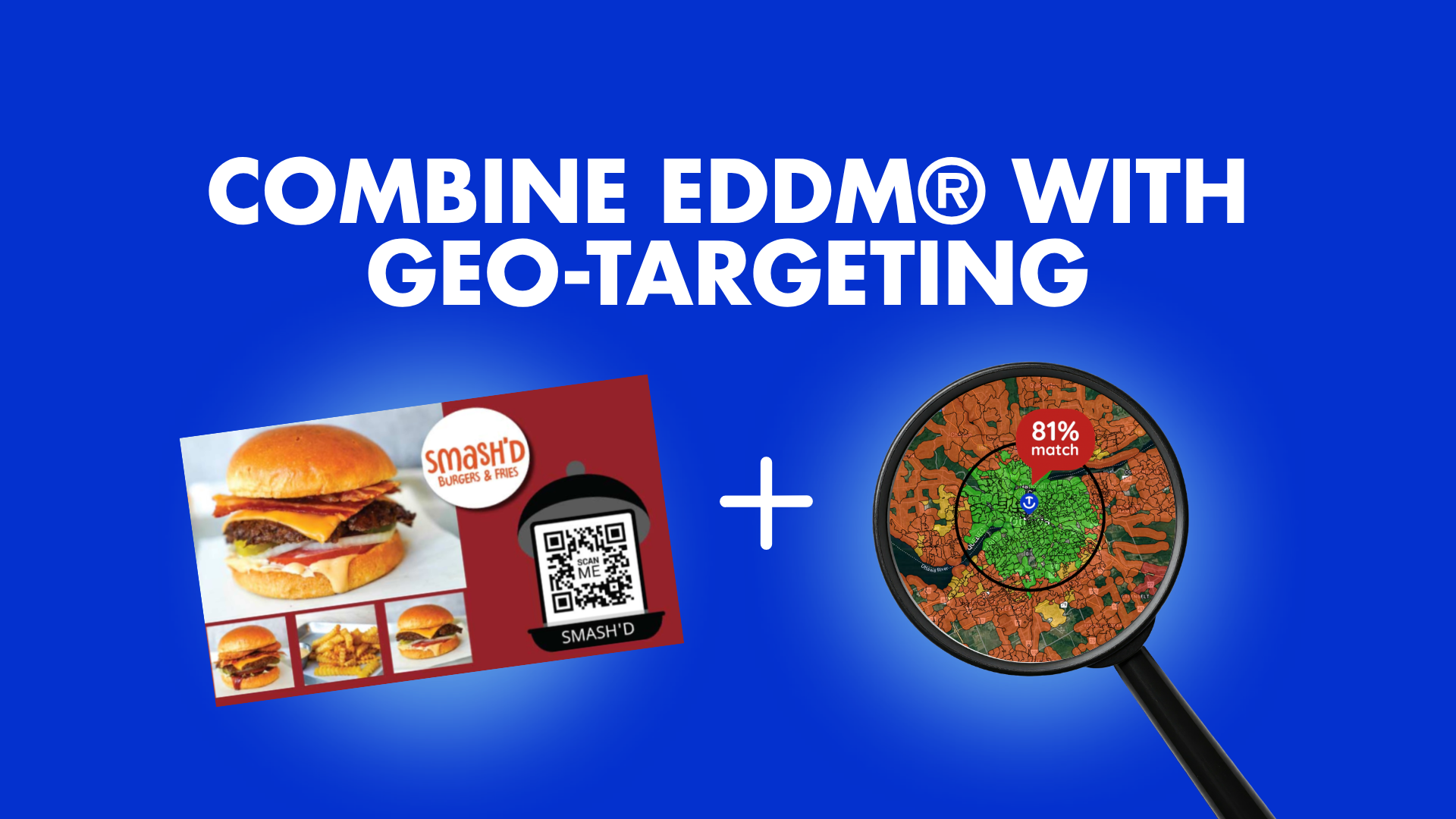
How to Combine EDDM With Geo-Targeting for Maximum Response
Combining geo-targeting with Every Door Direct Mail (EDDM) for maximum response starts with using each tool for what it does best. EDDM helps you blanket the right carrier routes with physical mail, while digital location data helps you narrow the audience, repeat the message, and follow up where buying intent is strongest. When both are planned together, you can reach more of the right homes without wasting budget on broad, unfocused local outreach.
Direct mail still holds serious weight for small businesses. Taradel's 2025 survey found that direct mail leads as the top offline marketing channel for small businesses, which says a lot in a market full of noisy digital ads.
This guide explains how to pair route-based mailing with smarter location targeting, how to choose better neighborhoods, and how to build local advertising strategies that improve visibility and increase response without making your campaign harder to manage.
Why Does Geo-Targeting Work So Well With EDDM?
EDDM is built for broad local reach. It lets you deliver postcards, menus, or flyers to every home on selected carrier routes, which makes it useful for:
- Local service businesses
- Stores
- Restaurants
- Clinics
- Franchise locations
EDDM gives you coverage. Geo targeting gives you control. That is the real reason this combination works. One helps you own a physical area, and the other helps you focus your message around behavior, location, and likely demand.
The USPS explains that EDDM tools let businesses map neighborhoods and filter by age, income, and household size using Census data. That means EDDM marketing is not just random mailbox coverage. It can already start with basic audience logic before digital targeting is added on top.
Then digital location targeting sharpens the plan. You can show ads to people in the same ZIP codes, around the same service areas, or near competitor locations, which creates repeated exposure across channels.
How to Choose Better Mailing Areas?
Too many campaigns fail before the first piece is sent because the coverage area is weak. Businesses often choose routes based on distance from the office instead of actual fit, which is lazy and expensive.
A better approach is to start with who buys, where they live, and what patterns show up in your strongest jobs or sales. That is where route selection becomes strategy instead of guesswork.
Match Routes to Real Customer Value
Look at your past customers first. Which ZIP codes bring better jobs, more repeat buyers, larger tickets, or faster close rates? Those patterns matter more than simple proximity.
You should also compare route-level demographics to your actual buyer profile. The U.S. Census Bureau's Business Builder helps businesses review local demographic and market data, which is useful when you need targeted marketing solutions based on:
- Income
- Age
- Housing
- Local business conditions
Prioritize Reachable Service Zones
Do not mail areas that create operational pain. A carpet cleaner, roofer, med spa, or dental office needs a response from people they can actually serve well, not just people who happen to be nearby on a map.
Layering Digital Ads Over Mail for Better Recall
Mail works well because it is physical. Digital works well because it repeats fast. When you combine them, the audience sees the same offer in the mailbox and again on screens, which improves recall and trust.
This is one of the clearest geo-targeting advantages for local businesses. You are not forcing digital ads to do all the work alone. You are using them to reinforce a message that has already shown up in the home.
Common Mistakes That Hurt Performance
One mistake is mailing too wide because it feels safer. Another is over-narrowing digital targeting until the audience becomes too small to matter. Both problems come from bad planning, not bad channels.
Another mistake is ignoring local search behavior after the campaign launches. SOCi's 2024 Consumer Behavior Index found that 80% of U.S. consumers search for local businesses at least weekly, and 32% do so daily. If mail and ads drive interest, your listings, reviews, and landing pages still need to close the gap.
Good targeting cannot save a weak offer. You still need:
- A reason to respond now
- A clear next step
- A landing experience that matches the campaign
Frequently Asked Questions
Is EDDM Better for Awareness or Lead Generation?
It can do both, but that depends on the offer and follow-up system. If the message is broad, such as brand awareness, grand opening, or community visibility, EDDM usually works as a reach tool. If the mailer includes a strong reason to act, such as a discount, inspection, quote, event, or deadline, it can support lead generation more directly.
Should Small Businesses Use One Creative Version or Several?
Usually start with one strong version before testing too many variables. Small budgets get messy fast when businesses split offers, design styles, and calls to action all at once.
Once a control version has data behind it, test one major change at a time. That could be the:
- Headline
- Image
- Offer
- Audience area
How Long Should a Business Run a Combined Mail and Digital Campaign?
Most businesses need more than one drop to see the full effect. One campaign can create a spike, but repeated exposure often builds stronger trust, especially in home services and other considered purchases.
Three waves over a planned season often give a better read than a single hit. That also gives the business time to compare route quality and adjust digital spend.
Can This Strategy Work Without a Big Budget?
Yes, if the geography is tight and the message is focused. Small businesses do not need to dominate an entire metro area. They need to own the most profitable pockets first.
Turn Local Reach Into Smarter Growth
Geo-targeting works best when it is tied to real households, real service areas, and real measurement. When paired with EDDM, it helps businesses move from generic local exposure to a more disciplined system built to increase mail response and support better-targeted marketing solutions.
At Taradel, we do not stop at mailing lists or ad placement. We give businesses one practical system to target neighborhoods, launch direct mail and digital campaigns together, and track response in a way that is simple enough for small teams to use. To put that into action, start your campaign today.

-1.png?width=352&name=blog%20featured%20images%20(77)-1.png)
