How to Map the Perfect EDDM Route for Maximum ROI
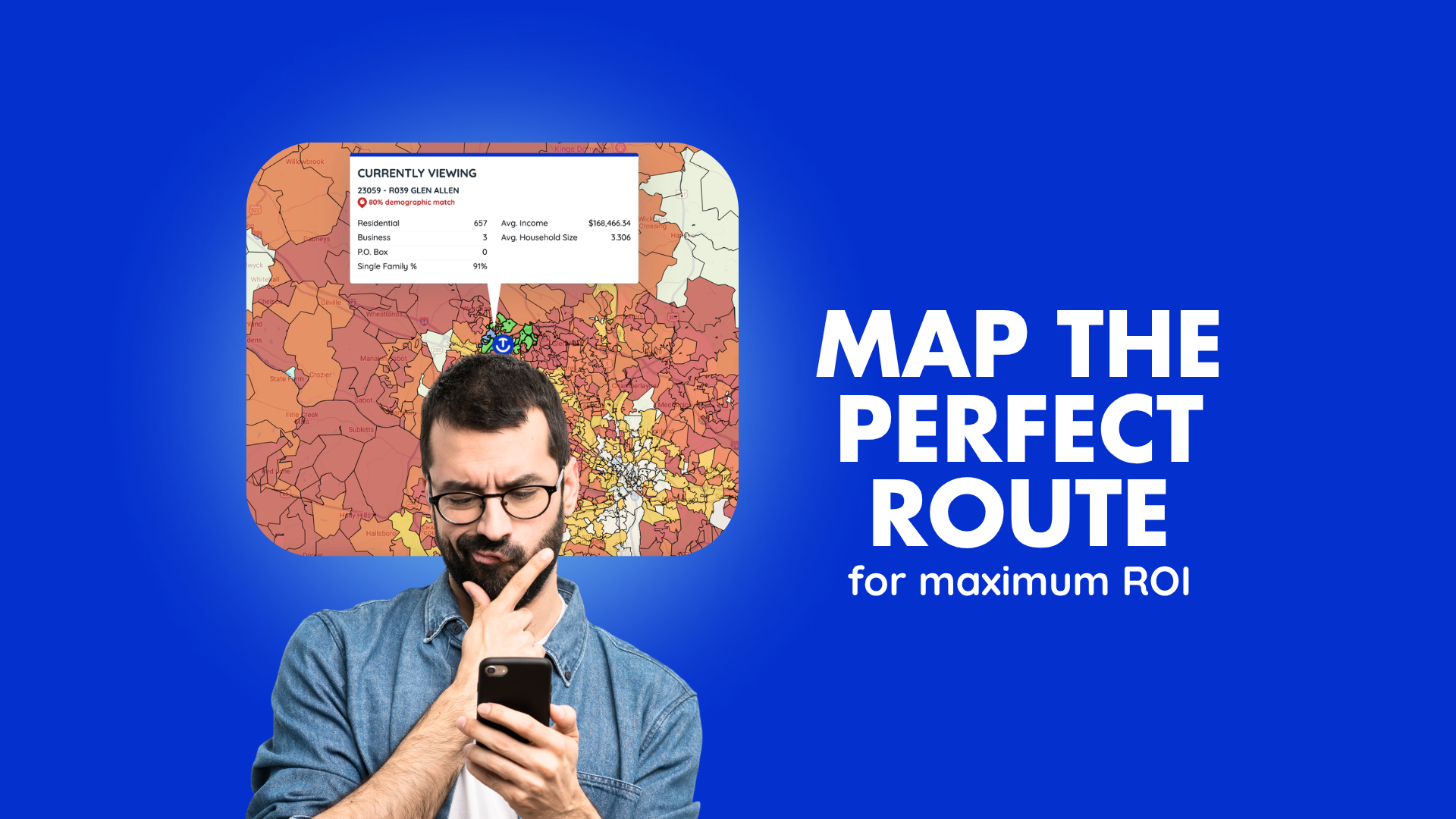
To map the perfect EDDM route, start by defining your ideal customer profile with clear details. Then identify high-performing target ZIP codes and analyze neighborhood demographic data for stronger targeting decisions. Next, evaluate the route household density and consider proximity to your business location for efficient delivery planning.
SmallBizGenius reports that 73% of people in the U.S. prefer direct mail that they can read anytime. Investing in EDDM gives your business a direct way to reach local customers.
Understanding how to map routes helps reduce waste and improve response rates over time. A clear plan helps you target the right homes and manage your marketing budget with confidence.
What Are Common Mistakes When Using EDDM?
Many businesses make EDDM mistakes that reduce response rates and waste marketing budget over time. These mistakes might include:
- Targeting the wrong neighborhoods
- Ignoring demographic data
- Poor route selection
- Inconsistent mailing schedule
- Weak design messaging
- Skipping performance tracking
Avoiding these issues improves results and strengthens your overall EDDM marketing strategy. Working with experts like Taradel can help you refine your approach and avoid costly errors. Our team can guide route selection, improve targeting, and support better campaign execution for stronger outcomes.
Is EDDM Good for Small Businesses?
EDDM offers a strong marketing option for small businesses looking to reach nearby customers. It helps you connect with local audiences and build awareness without complex targeting systems.
EDDM can help you:
- Reach local households
- Increase brand awareness
- Promote special offers
- Drive store traffic
- Build customer trust
- Expand local presence
Using EDDM allows your business to stay visible in key neighborhoods where customers live. It supports cost-effective EDDM campaigns by reducing wasted spend on irrelevant areas. Consistent mailings also help build familiarity, which can lead to stronger customer response and repeat business over time.
Tips for Mapping an Effective EDDM Route
A well-planned EDDM route plays a key role in campaign success and overall return. Mapping it properly helps you reach the right audience and avoid wasted coverage.
Careful planning improves delivery efficiency and supports stronger campaign performance over time. Strong EDDM route optimization helps you balance reach, cost, and response for better outcomes.
Define Your Ideal Customer Profile
Start by identifying who benefits most from your product or service in local markets. Break down your audience using key factors such as:
- Age
- Income
- Lifestyle
- Family size
- Buying habits
Clear targeting helps you focus on households more likely to respond to your offer. It also supports successful EDDM planning by aligning your message with the right audience. Better audience insight improves engagement and helps your campaign perform well across selected routes.
Identify High-Performing Target ZIP Codes
Focus on ZIP codes that show strong potential based on demand and local activity in your market. Look for areas with:
- Steady foot traffic
- Active households
- Strong buying interest
- New business growth
- High home occupancy
High-performing zones often deliver better response rates and stronger campaign results over time. Choosing the right ZIP codes improves coverage and helps you allocate resources more effectively. It also supports better route planning and more consistent campaign performance.
Analyze Neighborhood Demographic Data
Review demographic data to ensure your offer reaches the right audience in each area. Key information includes:
- Household income
- Age groups
- Buying patterns
- Family size
- Homeownership status
- Education level
- Occupation type
Understanding these factors helps refine targeting and tailor your messaging to audience needs. Better insights increase engagement and response rates while supporting more accurate campaign execution. Using demographics effectively also enhances EDDM route optimization, ensuring each mailing reaches households most likely to act on your promotion.
Evaluate Route Household Density
Household density determines how many homes can be reached within a specific route area. Areas with higher density allow you to contact more households using fewer resources and less time. Lower-density neighborhoods may require extra routes or additional planning to maintain coverage.
Efficient assessment of household density supports route mapping for better returns and helps maximize the impact of each mailing. Careful planning ensures that your EDDM campaign reaches the right number of potential customers effectively.
Consider Proximity to Business Location
Routes near your business often generate higher response rates and stronger engagement. Local customers are more likely to visit your store or use your services when conveniently located. Targeting nearby areas:
- Reduces delivery time
- Lowers mailing costs
- Simplifies follow-up
- Improves tracking
Prioritizing proximity makes your EDDM efforts more efficient. It also ensures resources reach the most accessible and responsive households.
Frequently Asked Questions
How Often Should EDDM Routes Be Updated?
EDDM routes should be reviewed regularly to ensure campaign effectiveness. Updating routes quarterly or ahead of major promotions ensures their accuracy. Changes in household occupancy, new developments, or shifting demographics can affect response rates.
Regular updates allow better targeting and reduce wasted mailings. Tracking previous campaign results also highlights areas that need adjustment. Keeping routes current helps maintain consistent engagement with the right neighborhoods.
Can Competitor Mailers Affect Local Campaign Performance?
Competitor mailers can influence how recipients respond to your campaigns. Heavy competitor activity may reduce attention to your mailings or require stronger messaging. Observing local patterns helps identify crowded areas and adjust targeting.
Avoiding overlap or scheduling around competitor campaigns improves visibility. Monitoring competitors allows you to refine your approach and maintain a competitive edge in key neighborhoods.
How Can Small Businesses Track EDDM Campaign Results?
Small businesses can track results using unique offer codes, phone numbers, or landing pages. Monitor inquiries, website visits, and sales linked to each mailing. Segmenting campaigns by route or ZIP code helps identify high-performing areas.
Collecting feedback from customers also provides insights into engagement. Regular tracking ensures campaigns are effective and informs adjustments for better ROI in future mailings.
EDDM Route: Work with Marketing Experts to Maximize Results
Mapping the perfect EDDM route helps your business reach the right neighborhoods efficiently. Careful planning ensures campaigns connect with high-potential households while reducing wasted mailings. Following best practices improves response rates and supports a stronger overall ROI.
At Taradel, we offer precise audience targeting, direct mail and digital ad campaigns, and free or paid design options. We have helped more than 20,000 small businesses. Taradel brings over two decades of marketing expertise.
Our CEO, Jim Fitzgerald, founded the company in 2003. Contact us today to plan, launch, and track campaigns that reach the right customers.